
Why Do We Learn Forms?

Ralph Sonenshine • August 21, 2017

Share this article

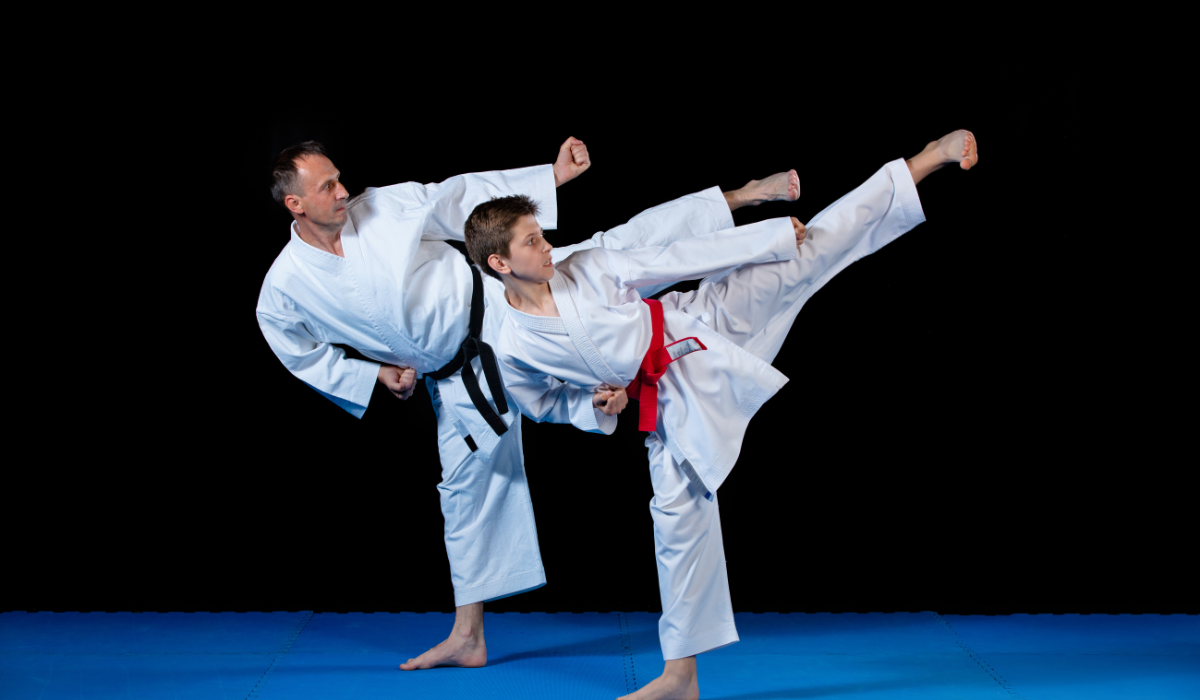
Forms, or kata in Japanese, are a simulated, sequence of moves designed to develop the basic martial arts movements.  Forms help students work on the key stances (e.g. front, back, and horse stance) and blocks (e.g. low, high and middle block).  Perhaps, most importantly forms are synchronized patterns of movement that are done in a group setting, building teamwork and comradery.

When one is first introduced to a form, it seems that the movements are very hard to remember.  Learning the moves can be frustrating, but it trains the mind as well as the body in certain movements that are used throughout karate.  As you learn more forms, you will notice similar patterns allowing a martial artist to pick up new forms very quickly.

There are many benefits to learning forms.  First, and foremost, they help martial artists learn the basics and build muscle memory as well as focus. They also enable students to track their progression as forms take on various levels of difficulty.  As a student works up through the belt system, he will learn and conquer increasingly more difficult forms.  Finally, when done with vigor, forms can be an excellent form of exercise.

As you prepare for your belt test, recognize that the form you are learning is just one in a sequence of forms that you will be mastering over the course of your martial arts career.

The post Why Do We Learn Forms? first appeared on .

Recent Posts

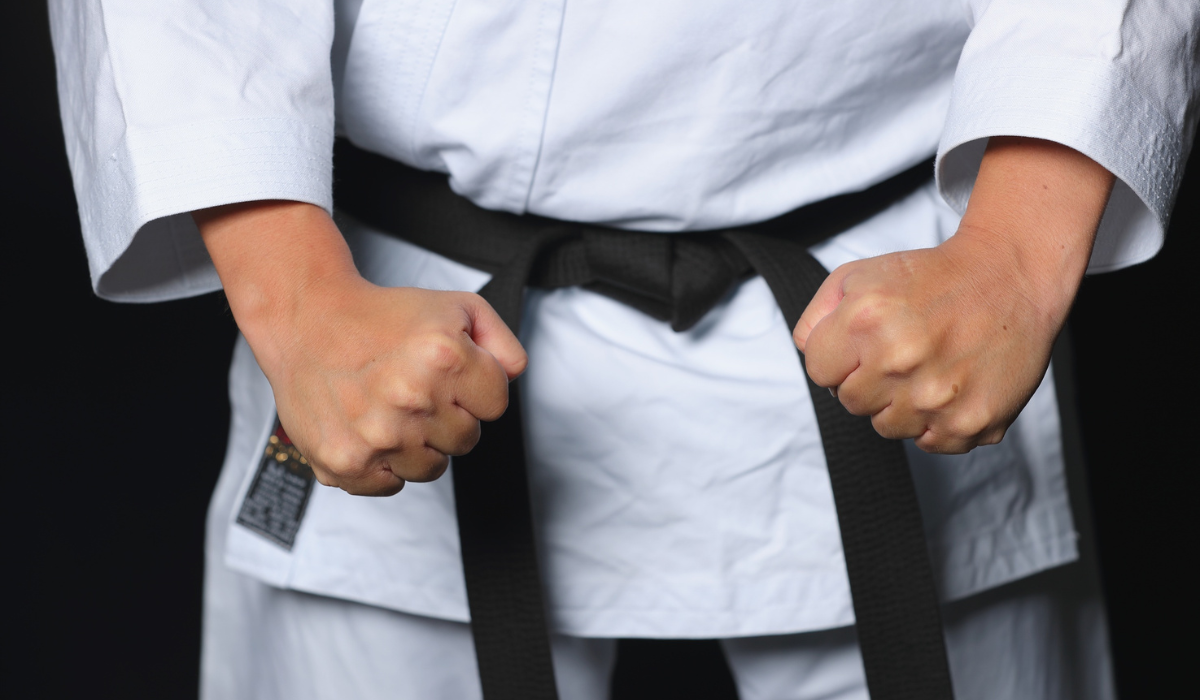
Person in a white martial arts uniform holding a black belt at the waist
By Ralph Sonenshine • August 14, 2026
Learn karate kata at Victory Karate—from beginner forms building stances, blocks, and strikes to the Pinan series.
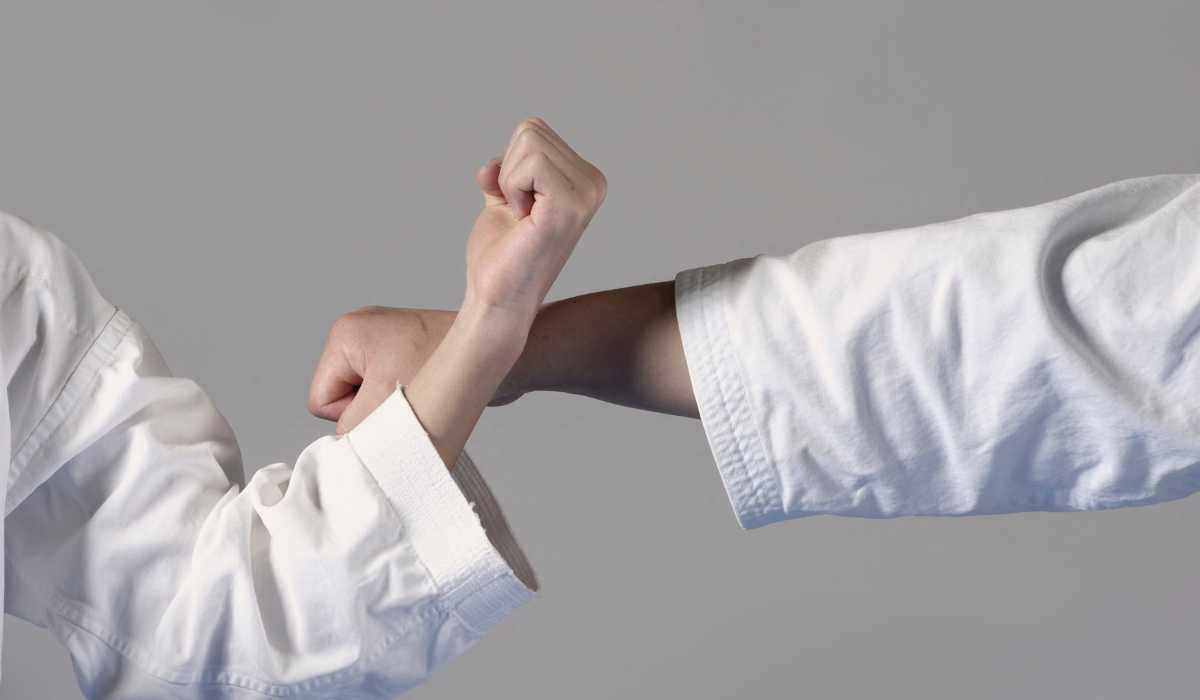
Two people in white martial arts uniforms crossing forearms against a plain gray background
By Ralph Sonenshine • October 24, 2017
Victory Karate in Silver Spring, Maryland.
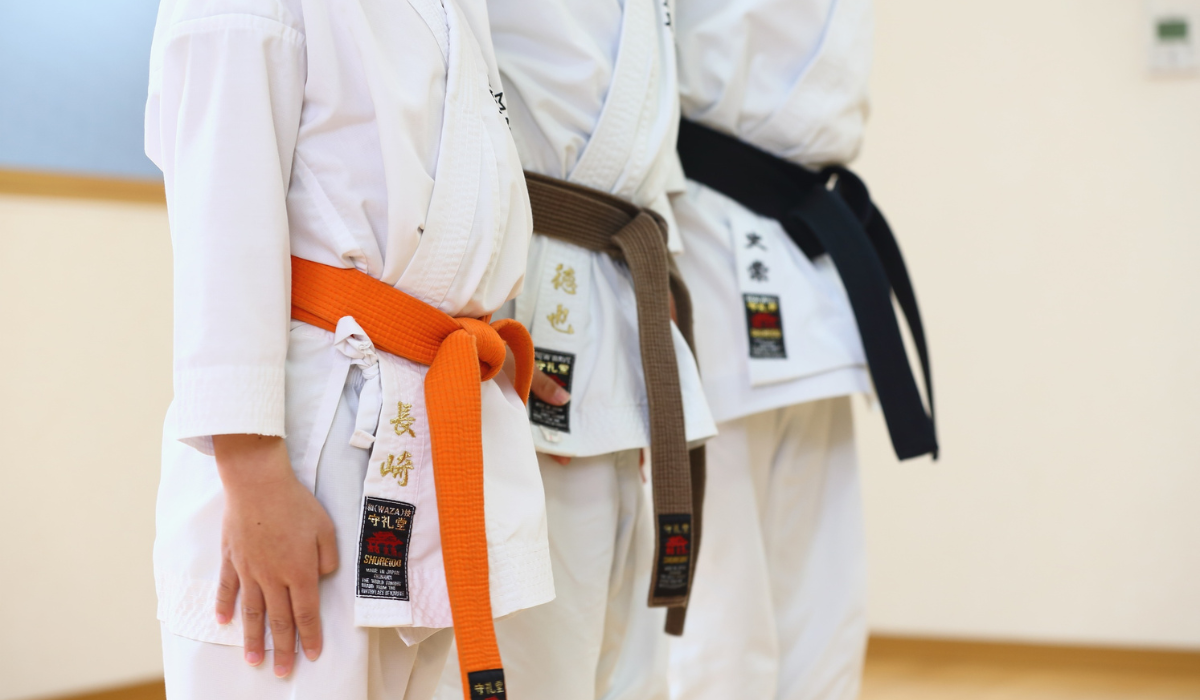
Karate practitioners in white uniforms with colored belts standing in a dojo
By Ralph Sonenshine • May 18, 2017
Discover 7 key benefits of karate for adults and kids—from improved fitness and flexibility to greater discipline and focus.